
How Professional Video Content Increases Engagement and Conversions
Not long ago, video content was considered an advantage.
Today, it is expected.
Every platform—from Instagram and TikTok to LinkedIn and YouTube—has shifted toward video-first consumption. Audiences scroll through moving content faster than static visuals, absorb information differently, and engage with brands in a far more dynamic way than before.
But while video itself has become common, effective video content remains rare.
Because creating a video is easy. Creating a video that holds attention, builds trust, and drives action is something entirely different.
And that difference usually comes down to professionalism.
Why Video Dominates Digital Attention
Human attention naturally responds to movement.
That is why video immediately stands out in crowded digital environments. It combines visuals, sound, pacing, emotion, and storytelling into one format capable of delivering information faster than almost any other medium.
But attention alone is not the real value of video.
The real value is immersion.
Good video content creates a sense of presence. It allows audiences to experience a brand instead of simply observing it.
And in digital marketing, experience creates stronger emotional connection than exposure alone ever could.
Engagement Starts with Retention
Most businesses measure video success incorrectly.
They focus on views.
But views mean very little if people leave after a few seconds.
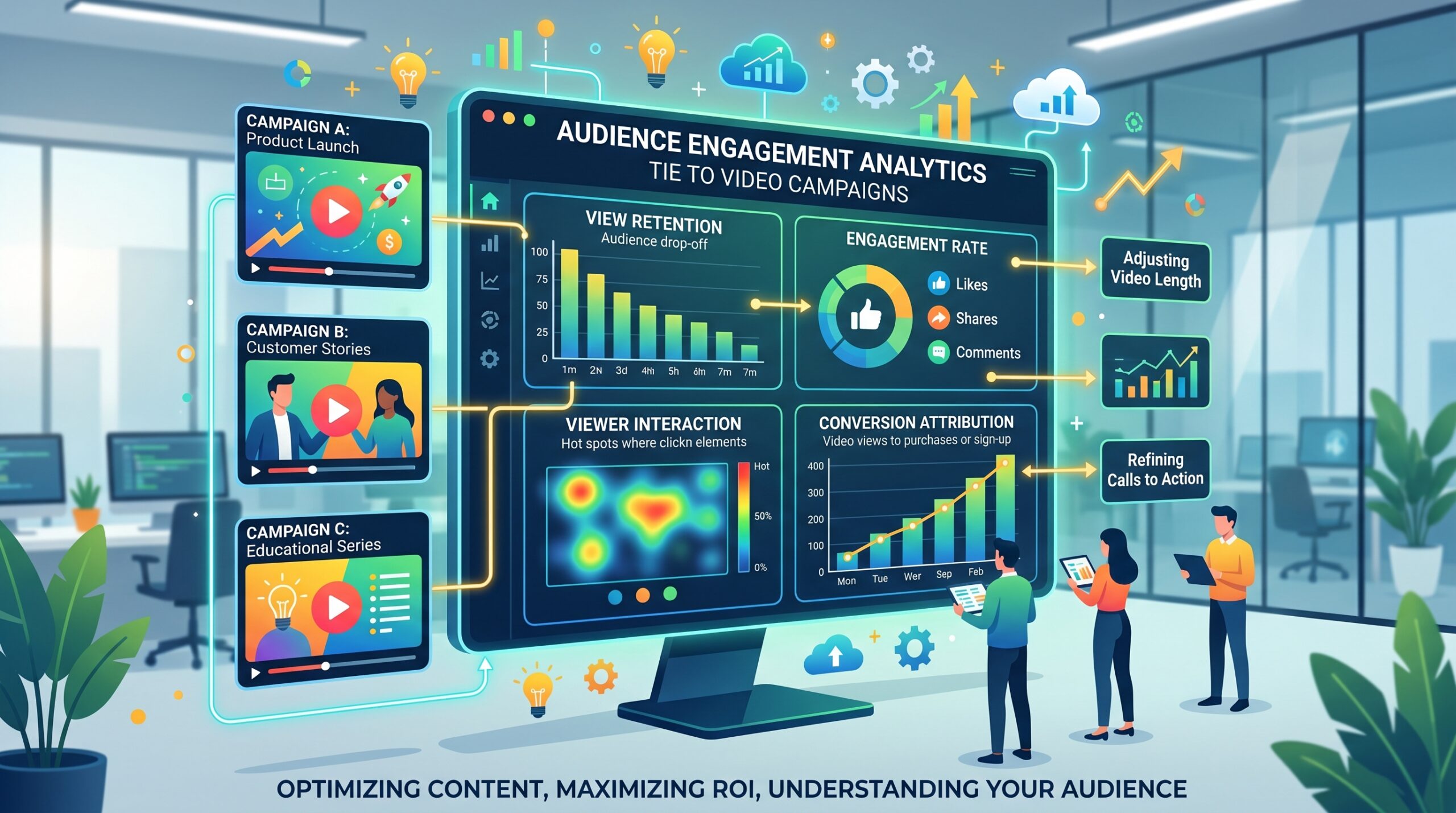
Professional video content increases engagement because it improves retention. It creates pacing, structure, and visual flow that keep audiences watching longer.
This is critical because modern platforms reward content that maintains attention.
The longer users stay engaged:
- The more algorithms amplify visibility
- The more trust builds
- And the higher the chances of conversion become
In other words, engagement is not triggered by posting video, It is triggered by keeping people emotionally involved in it.
Professionalism Changes Perception Instantly
Audiences notice production quality faster than businesses think.
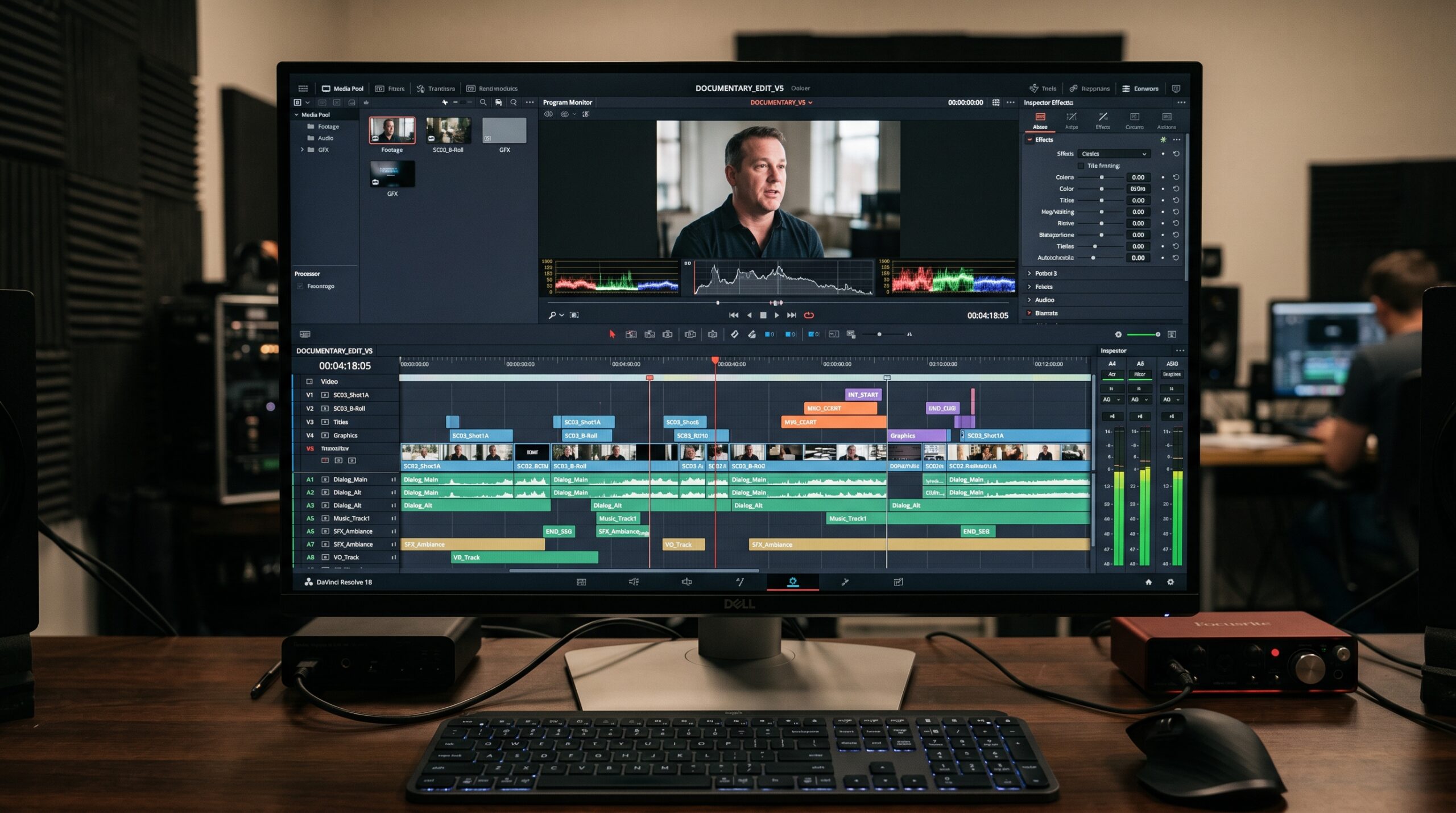
They may not consciously analyze lighting, editing, sound design, or framing—but they feel the difference immediately.
Professional video content communicates:
- Credibility
- Effort
- Confidence
- Brand maturity
Low-quality content does the opposite. Even unintentionally, weak production can reduce perceived trust before the message itself is fully understood.
And in competitive digital spaces, perception shapes decisions quickly.
Video Builds Trust Faster Than Static Content

Text informs. Images attract.
But video humanizes.
Seeing movement, facial expression, voice, and storytelling creates familiarity much faster than static formats.
This is why video content is especially powerful for:
- Brand storytelling
- Product demonstrations
- Testimonials
- Educational content
- Behind-the-scenes experiences
It reduces distance between the audience and the brand.
And the shorter that emotional distance becomes, the easier trust develops.
Why Video Content Improves Conversions
Most purchasing decisions are emotional first and logical second.
Professional video content supports both sides of that process simultaneously.
Visually, it creates emotional engagement. Structurally, it explains value more clearly and quickly than text alone.
This combination helps:
- Reduce hesitation
- Clarify offers
- Increase confidence
- Strengthen buying intent
Which is why businesses using strong video strategies often see higher conversion rates across landing pages, ads, and social campaigns.
The Difference Between Content and Strategic Content
Many businesses publish videos consistently but still struggle with performance.
Usually, the problem is not quantity, it is direction.
Strategic video content is created with intentional structure:
- A strong opening hook
- Clear emotional pacing
- Audience-focused messaging
- Purpose-driven storytelling
- Platform-specific formatting
Without strategy, videos become disposable.
With strategy, they become assets that continuously strengthen the brand.
Why Video Matters Even More in 2026
The digital landscape is becoming increasingly competitive and increasingly visual at the same time.
Audiences process information faster, attention spans continue shrinking, and algorithms prioritize engaging formats more aggressively than ever.
This means brands that fail to communicate visually risk becoming forgettable even if their products or services are strong.
Video is no longer just a marketing tool.
It is becoming the primary language of digital communication.
FAQ
Why is professional video content important for businesses?
+
Because it improves engagement, strengthens trust, and communicates brand value more effectively.
Does video content really increase conversions?
+
Yes. Strong video content reduces hesitation and helps audiences understand products and services faster.
What types of businesses benefit most from video marketing?
+
Almost all industries can benefit, especially brands focused on visibility, trust, and audience engagement.

In today’s digital environment, attention is temporary.
What matters is what your content makes people feel before they scroll away.
And few formats shape that feeling more powerfully than video.
At Media90z, we create professional video content designed to do more than generate views. We create visual experiences that build engagement, trust, and measurable business impact.