
How Website Speed Affects SEO and User Experience in 2026
There’s a moment every user experiences online that decides everything.
It happens in less than a few seconds.
A page loads, or it doesn’t.
And in that moment, the user doesn’t think technically. They don’t analyze what went wrong. They simply leave.
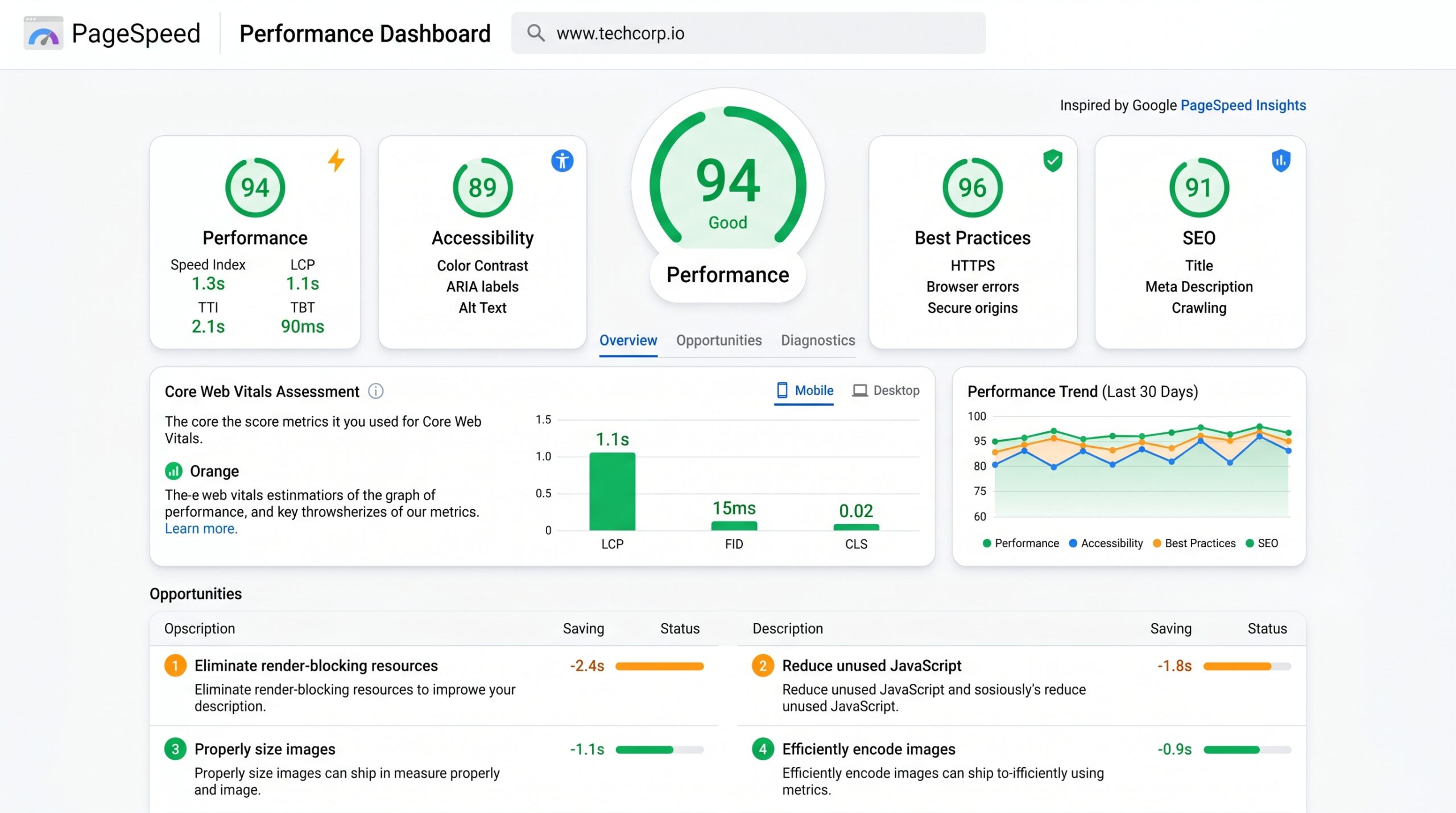
In 2026, speed is no longer a technical detail in web development. It is a core part of how your business is perceived, ranked, and trusted online.
A slow website is no longer just an inconvenience. It is a silent business problem that directly affects growth.
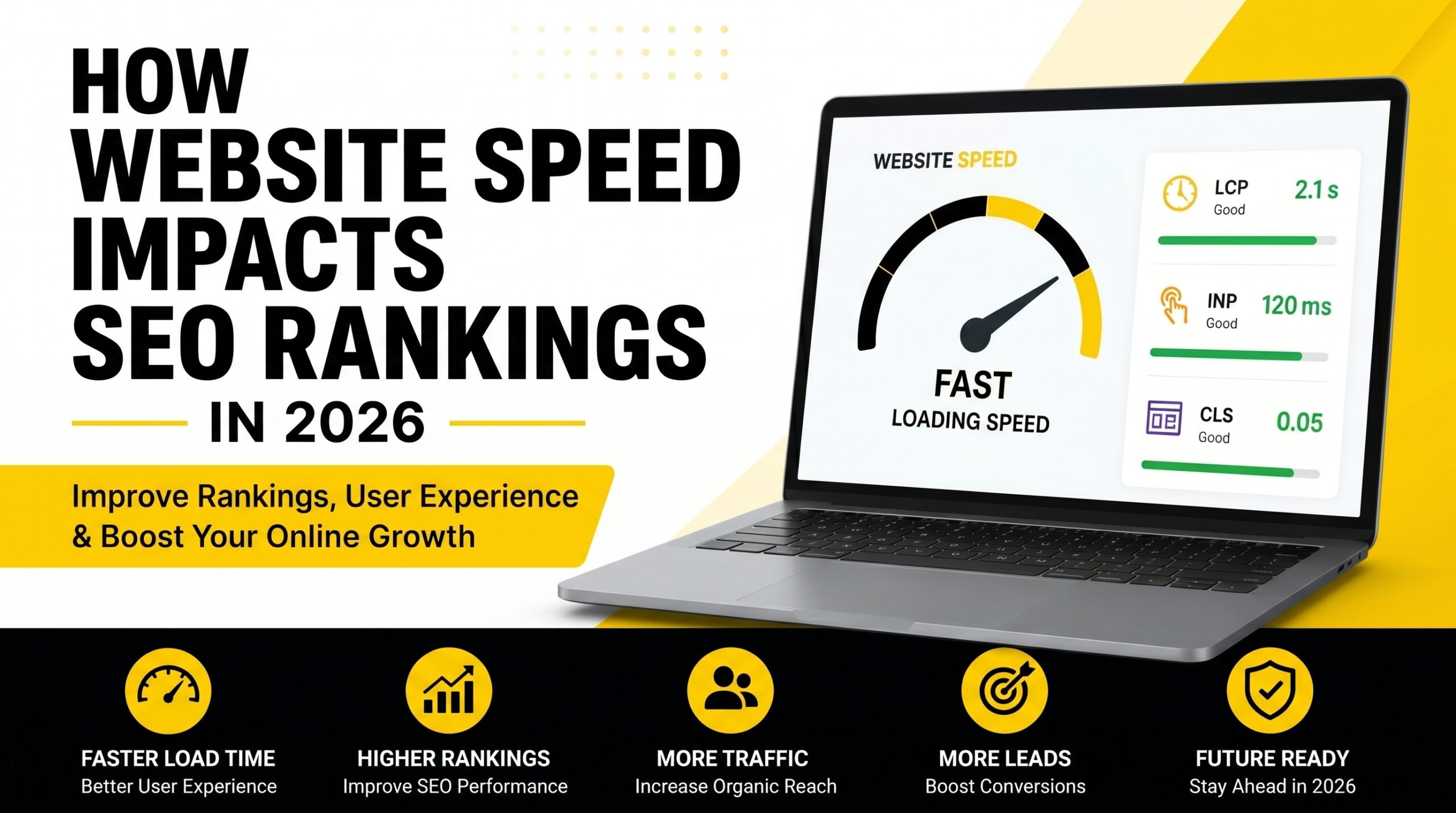
Why Website Speed Matters More Than Ever
User expectations have changed completely.
People are used to instant results. Whether they are searching, scrolling, or shopping, they expect websites to respond immediately.
If a website takes too long to load, users don’t wait. They move on.
And this behavior has a direct impact on:
- Bounce rate
- Engagement
- Conversions
- And even brand perception
Speed is no longer about convenience. It is about retention.
The SEO Connection: Why Google Cares About Speed
Search engines are designed to prioritize user experience.
And since users prefer fast websites, Google does too.
Website speed is now a ranking factor because it directly influences:
- How long users stay on your site
- How many pages they visit
- Whether they complete their journey
A slow website sends a negative signal, even if the content itself is strong.
In simple terms, Google doesn’t just evaluate what your site says. It evaluates how it performs.
Most businesses underestimate how much speed affects perception.
A fast website feels:
- More professional
- More trustworthy
- More reliable
A slow website does the opposite. Even before reading a single word, the user already forms an opinion about the brand.
And that opinion is difficult to reverse.
In many cases, speed becomes the first layer of branding. Before design, before messaging, before content.
How Speed Impacts Conversions
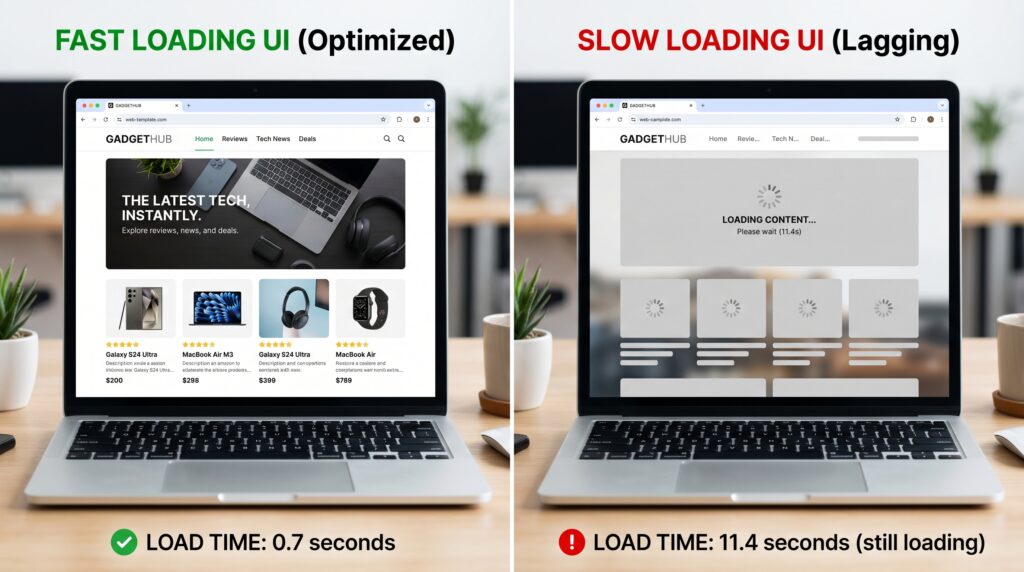
Every extra second of load time reduces the chances of conversion.
Not because users lose interest in your offer, but because attention breaks.
When a page loads slowly:
- Users hesitate
- Focus shifts away
- Friction increases
- And decisions get delayed or abandoned
This is why fast websites consistently outperform slow ones, even when offering the same product or service.
Speed is not just technical, it is psychological.
Common Causes of Slow Websites
- Unoptimized images
- Heavy scripts and plugins
- Poor hosting infrastructure
- Lack of caching
- Inefficient code structure
Speed as a Competitive Advantage
In competitive markets, speed becomes a differentiator.
If two businesses offer similar services, the faster experience often wins.
Not because users consciously compare load times, but because friction-free experiences feel better.
And in digital environments, “feeling better” often translates into “choosing faster.”
The Shift in 2026: Performance as Strategy
- SEO rankings
- Paid ad performance
- User engagement
- Conversion rates
FAQ
In 2026, users don’t reward the best-looking websites.
They reward the fastest experiences.
And in most cases, speed decides who stays and who gets ignored.
At Media90z, we build websites that are not only visually strong but engineered for speed, performance, and conversion.